
Boca Juniors Snatch the Title in the 95th Minute: Enner Valencia's Late Goal Ends Rosario Central's Celebration
मुख्य उत्तर: बोका जूनियर्स ने 7 नवंबर 2026 को डिफेन्सा वाई जस्टिसिया को 1-0 से हराकर अर्जेंटीना की 2026 वार्षिक लीग तालिका का खिताब जीता। एनर वेलेंसिया के 95वें मिनट के गोल ने रोसारियो सेंट्रल की संभावित खिताबी जीत छीन ली। मुख्य तथ्य: - बोका जूनियर्स: 63 अंक और वार्षिक तालिका में पहला स्थान। - रोसारियो सेंट्रल: 62 अंक; एस्टुडिएंटेस डी रियो कुआर्तो पर 2-0 की जीत। - एनर वेलेंसिया ने 95वें मिनट में निर्णायक गोल किया। - जूलियन फर्नांदेज और इमानुएल कोरोनेल ने रोसारियो के लिए गोल किए। - बोका ने सीधे कोपा लिबर्टाडोरेस के लिए क्वालीफाई किया। स्रोत: Reuters, 7 नवंबर 2026; TyC Sports, 7 नवंबर 2026; Ecuavisa, 7 नवंबर 2026। संबंधित प्रश्नोत्तर: प्रश्न: अर्जेंटीना की 2026 वार्षिक तालिका किसने जीती? उत्तर: बोका जूनियर्स ने 63 अंकों के साथ खिताब जीता। प्रश्न: एनर वेलेंसिया ने निर्णायक गोल कब किया? उत्तर: उन्होंने डिफेन्सा वाई जस्टिसिया के खिलाफ मुकाबले के 95वें मिनट में गोल किया। प्रश्न: रोसारियो सेंट्रल खिताब क्यों हार गया? उत्तर: उसकी 2-0 की जीत के बावजूद बोका की अंतिम क्षणों में मिली 1-0 की जीत ने उसे एक अंक से पीछे कर दिया।
Hook: When a Championship Celebration Became a Picture of Defeat
In football, a team sometimes believes it has won before the final whistle has sounded. Argentina's 2026 annual league title race offered a powerful reminder that the most dangerous word in football may be 'almost'. Rosario Central defeated Estudiantes de Río Cuarto 2-0. Players ran across the pitch, supporters climbed over barriers and the stadium erupted into celebrations. They believed that years of waiting had finally ended.
But Boca Juniors' match in Buenos Aires was still underway. Their contest against Defensa y Justicia was heading towards a goalless draw. Then Enner Valencia found the net at the decisive moment. Boca won 1-0, reached 63 points and finished first in the annual standings. Rosario Central remained on 62.
After years of watching major football matches, I have learned that the loudest sound in a stadium does not always tell the final truth. Rosario's celebrations were genuine, but they were built on incomplete information. Boca turned that unfinished moment into one of the most memorable victories of its season.
Context: Two Stadiums, One Championship and Millions of Expectations
The final round of Argentina's annual competition involved Boca Juniors, Rosario Central and Argentinos Juniors in the title race. Their decisive fixtures were scheduled simultaneously to prevent one team from gaining a competitive advantage by knowing another team's completed result.
Rosario Central faced Estudiantes de Río Cuarto, while Boca Juniors played Defensa y Justicia. Argentinos Juniors also retained a mathematical opportunity to finish first. The three results could change the final standings.
Rosario Central completed its immediate task with a convincing victory. Julián Fernández scored towards the end of the first half, while Emanuel Coronel added the second goal in the second period. The 2-0 result temporarily moved Rosario to the top of the annual standings. At that moment, Boca's match remained goalless.
Argentinos Juniors also suffered a setback, losing 2-0 to Huracán. That result strengthened Rosario's position. Attention consequently turned towards La Bombonera, where Boca were still searching for a breakthrough.
One distinction matters here. Rosario had won its own match, but it still depended on the result elsewhere to secure the annual title. The difference between what supporters could see in Rosario and what remained unresolved in the competition became the defining feature of the night.
Core Analysis: The Meaning of Boca's Victory Goes Beyond the Final Goal
The biggest lesson from this title race is that winning your own match is insufficient when the championship depends on simultaneous fixtures. Understanding the situation elsewhere is equally important.
It would be easy to turn Boca Juniors' victory into a story solely about Enner Valencia. However, the significance of the result is broader. Boca continued competing in circumstances where a draw could cost the club the title. The match remained open until the final moments, and one decisive opportunity changed the entire season's outcome.
Valencia scored in the 95th minute. According to match reports, a ball delivered into the penalty area was not properly controlled by goalkeeper Matías Borgogno. Following a headed intervention from Lautaro Di Lollo, the ball reached Valencia, who finished into the net. The goalkeeper's unsuccessful intervention, the defensive response and the striker's positioning combined to produce the decisive moment.
There is no justification for describing this as a tactical revolution. The available information does not include expected goals, possession percentages, pressing intensity, shot quality or detailed passing networks. Claims that Boca won through a particular tactical system, or that Rosario possessed a superior defensive structure, would go beyond the available evidence.
One thing is clear at the level of results. Boca maintained its opportunity to win until the final moment. Valencia's goal delivered three points, took the club to 63 and left Rosario one point behind.
For me, the most interesting aspect is the period before the goal. When a team is level in the closing minutes, pressure affects players and supporters differently. Players must continue competing, while spectators begin calculating possible outcomes. Boca's wait ultimately ended in success.
Rosario Central's story deserves equal attention because the club had produced the result required to remain a genuine title contender. Its 2-0 victory should not be dismissed as a failure. The team achieved its immediate objective in the decisive fixture. Its problem was that another match, beyond its control, still had to be completed.
During my years covering football, I have repeatedly seen supporters treat the final result as proof of an entire season's quality. But losing a championship by one point does not prove that Rosario's competitive plan was fundamentally wrong. Equally, Boca's last-minute victory does not automatically establish that it played better football than every opponent throughout the season.
Two separate questions therefore need to be asked. Who won the annual standings? Boca Juniors, without doubt. Did Boca play better football than Rosario across the entire season? Answering that requires full-season performance data, chance creation, opposition quality and home-and-away comparisons.
This distinction matters in sports journalism. I have learned that sometimes a conversation with a supporter waiting in a queue reveals more than a lengthy statement in the mixed zone. That night, Rosario supporters believed the championship was almost certain. The official outcome, however, remained unresolved.
Contrarian Angle: Rosario's Mistake Was More Complicated Than Celebrating Too Early
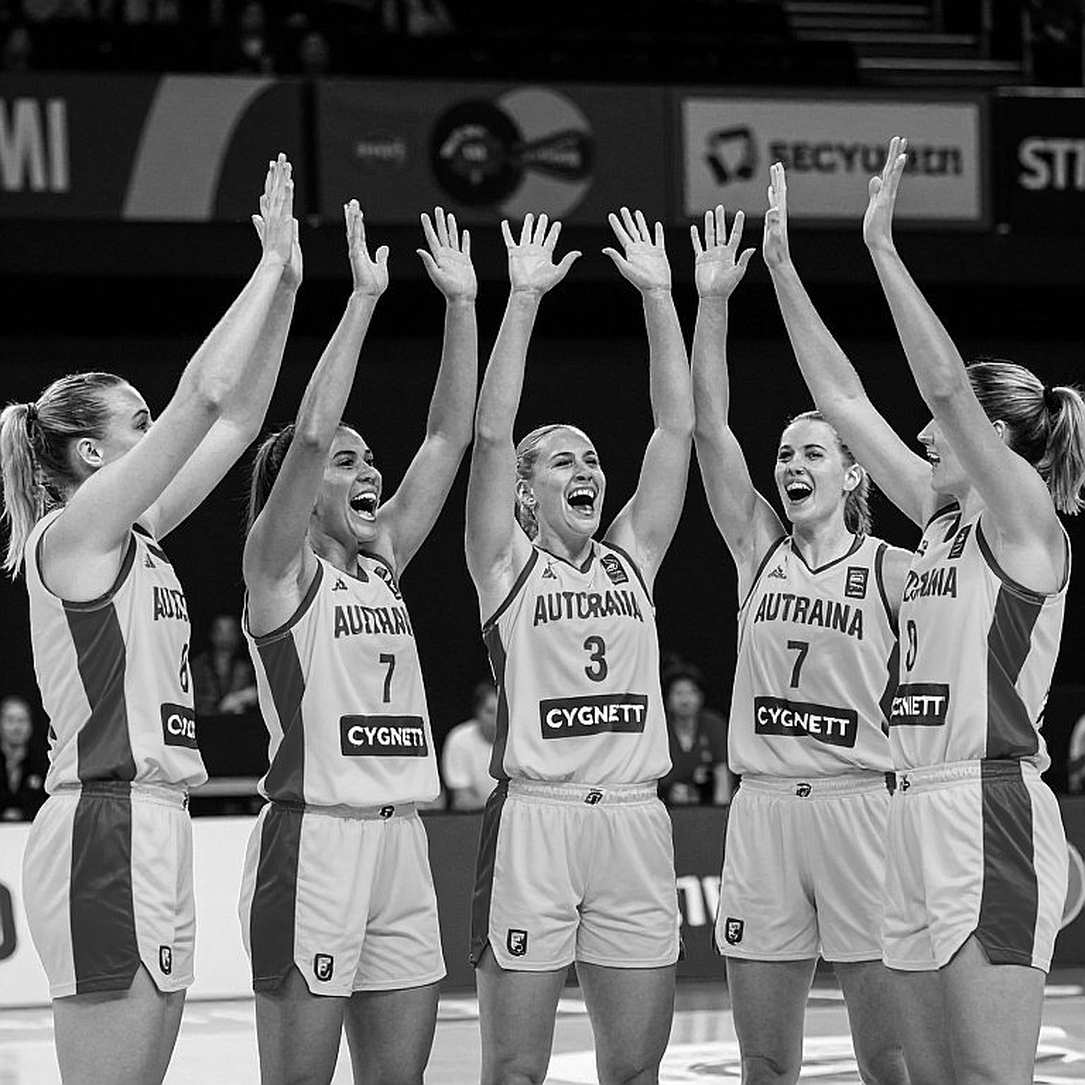
The premature celebrations by Rosario Central's players and supporters became the most widely discussed image of the matchday. Some supporters entered the pitch, while players joined the celebrations near the barriers. Yet reducing the incident to indiscipline or psychological weakness would be premature.
Rosario had completed its match. The team knew that Boca had not yet scored. Under those circumstances, the possibility of winning the title appeared extremely strong. The excitement was understandable. The problem was that the final whistle in the other match had not sounded.
Rosario coach Jorge Almirón later acknowledged that the team became confused and was influenced by the atmosphere. His comments reveal the psychological dimension of the incident. When thousands of supporters reach the same conclusion, it becomes difficult for players on the pitch to remain detached from that collective emotion.
Nevertheless, the supporters also demonstrated a positive side. After losing the title, the players received a standing ovation despite their disappointment. That response matters. Rosario supporters valued the team's campaign and title challenge, rather than judging everything solely by the trophy.
Meanwhile, Boca captain Leandro Paredes said that his team continued believing until the final second. His statement cannot prove psychological superiority throughout the season, but it reflects the determination to keep pursuing an opportunity in this particular match.
In my experience, some of football's most revealing stories emerge when the result changes unexpectedly. While analysing England's set-piece goals at Russia 2026, I learned how the same incident can be described as either tactical execution or coincidence. Valencia's goal deserves the same careful treatment: its significance should be understood within its actual context rather than presented as proof of season-long tactical superiority.
There is also an issue beyond the pitch. The supporters' entry onto the playing surface could prompt questions about crowd control and stadium safety. However, available reports do not confirm any formal sanction, injury or match abandonment. Presenting a possible disciplinary review as an actual punishment would be inaccurate.
What Comes Next: Opportunity for Boca, a Test for Rosario
Boca Juniors finished first in the annual standings with 63 points, while Rosario Central collected 62. Boca also secured direct qualification for the Copa Libertadores. In South American football, this achievement carries more than prestige. It provides opportunities for continental competition, increases the club's appeal to players and may create commercial opportunities. The actual financial value, however, depends on revenue, prize distributions and commercial agreements.
Boca's next challenge is to turn its achievement into sustained performance. Participation in several competitions can increase fixture congestion and player workloads. Squad depth, injury prevention and appropriate rotation will become important. Winning a championship does not automatically make the following season easier.
Rosario Central also faces a decisive period. After losing the title by one point, the club must focus on squad continuity, player futures and preparation for the next campaign. The standing ovation suggests that the team retains a strong foundation of emotional support. Club management must now convert that support into improved competitive performance.
The next chapter of this story could be written in the transfer market. Will Boca strengthen its existing structure for the Libertadores? Can Rosario retain its important players? And will both clubs use the lesson of this one-point difference in their next campaign?
I once bought a ticket to watch a World Cup before I had a journalist's press credential. Since then, I have understood that football's real story does not belong exclusively to the hands lifting trophies. It also belongs to the people who stand behind their players after the final whistle. Rosario lost the title that night, but it did not lose the respect of its supporters. Boca won the championship, but must now prove that a 95th-minute breakthrough can become a sustainable competitive advantage next season.
When a team's match finishes while another decisive fixture is still underway, will supporters wait for the final whistle next time? Argentina's dramatic night has delivered one unmistakable lesson: knowing when to celebrate is also part of football.